

"Your hair is a statement of style, an affirmation of beauty, and an expression of self-love." - Ademola Mandela
Natural products are secondary metabolites and have multiple uses in the context of androgenetic alopecia (AGA), and their potential benefits in managing or treating this prevalent form of hair loss can be investigated. Data collection on natural products for androgenic alopecia aims to improve scientific understanding and potential treatment developments.
| ID | COMMON NAME | SCIENTIFIC NAME | FAMILY | CLIMATIC CONDITION | SMILES STRUCTURE | CAS | EXPERIMENTAL MODEL | CHEMICAL CONSTITUENT | REFERENCES | PHOTO |
|---|---|---|---|---|---|---|---|---|---|---|
| 1 | ALOE VERA | aloe barbadensis | Asphodelaceae | Hot, dry climates | C1=CC2=C(C(=C1)O)C(=O)C3=C([C@H]2[C@H]4[C@@H]([C@H]([C@@H]([C@H](O4)CO)O)O)O)C=C(C=C3O)CO | 1415-73-2 | Human dermal papilla cells | Contain phytochemicals under study for possible bioactivity such as acetylated, mannans, polymannans,anthraquinone Cglycosides, anthrones, and other anthraquinones, such as emodin and various lectins. | https://www.ncbi.nlm.nih.gov/pmc/articles/PMC6330525/ | |
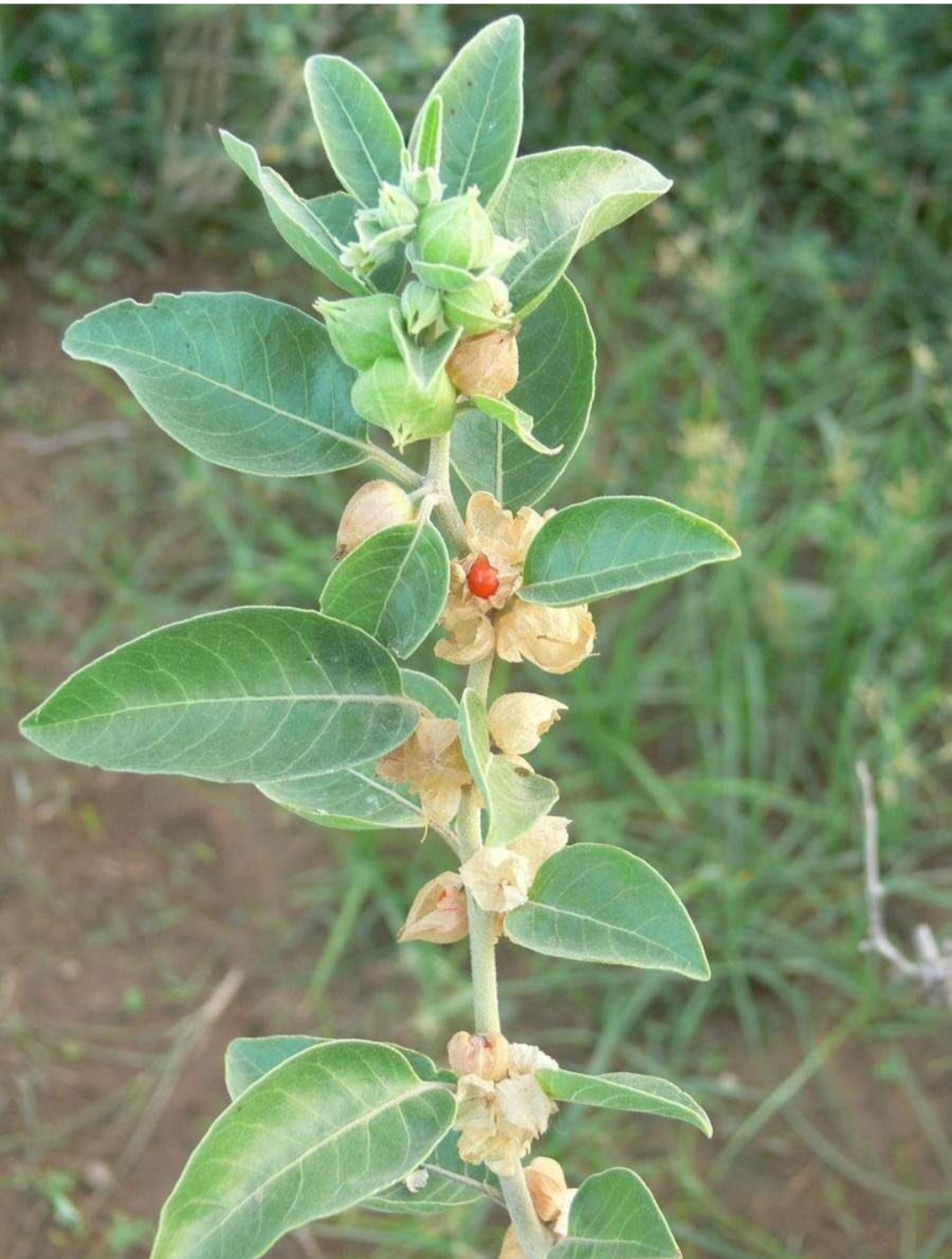
| 2 | ASHWAGANDHA | Withania somnifera | Solanaceae | sub-tropical climate | CC1=C(C(=O)O[C@H](C1)[C@@](C)([C@H]2CC[C@@H]3[C@@]2(CC[C@H]4[C@H]3C[C@@H]5[C@]6([C@@]4(C(=O)C=C[C@@H]6O)C)O5)C)O)C | 30655-48-2 | Cultured mink hair follicles Cultured dermal papilla cells Cultured outer root sheath cells | steroidal lactones that modulates cortisol level | Stephens TJ, Berkowitz S, Marshall T, Kogan S, Raymond I. A Prospective Six-month Single-blind Study Evaluating Changes in Hair Growth and Quality Using a Nutraceutical Supplement in Men and Women of Diverse Ethnicities. J Clin Aesthet Dermatol. 2022 Jan;15(1):21-26. PMID: 35309272; PMCID: PMC8903234. | |
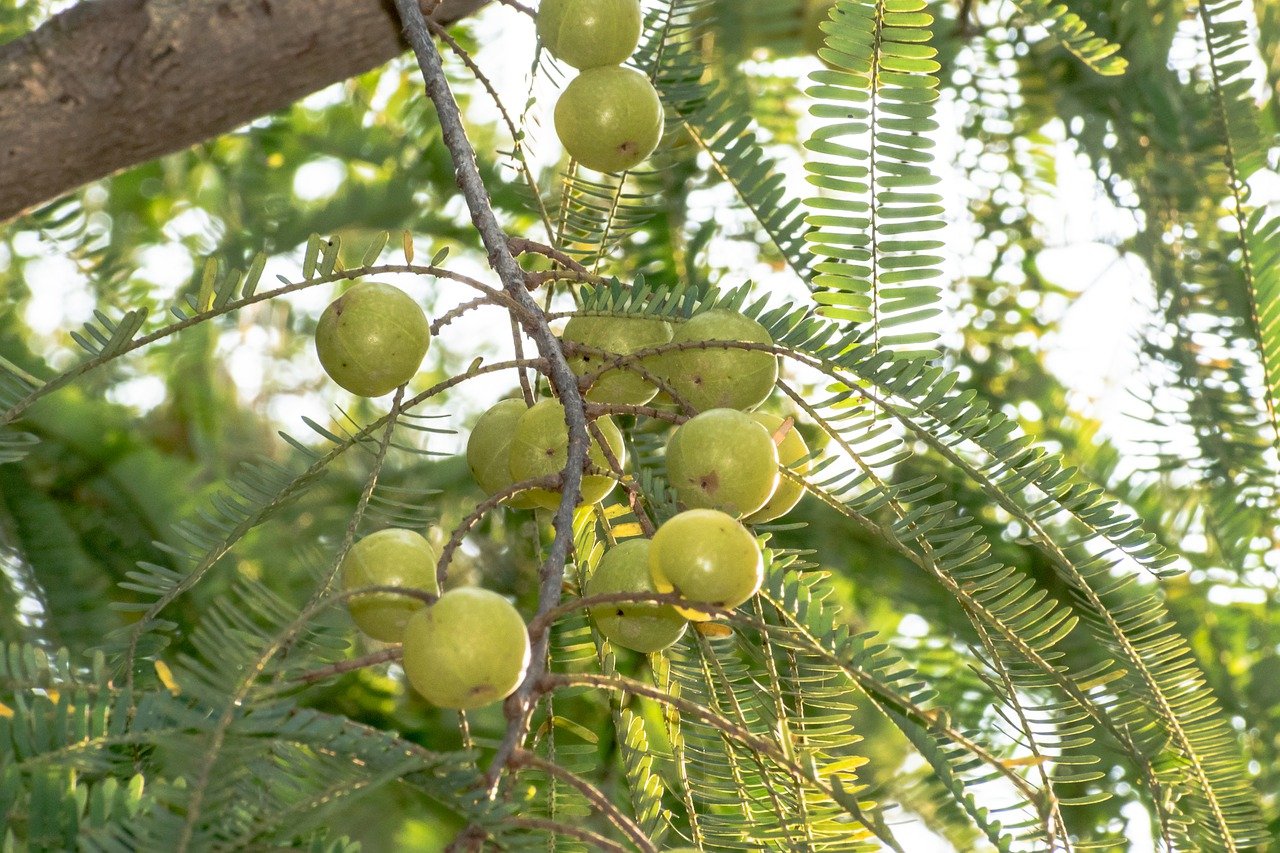
| 3 | AMLA FRUIT | Phyllanthus emblica | Phyllanthaceae | dry climate | C1C2C(C(=C(C(=O)O2)OC(=O)C3=CC(=C(C(=C3)O)O)O)OC(=O)C4=CC(=C(C(=C4)O)O)O)OC(=O)C5=CC(=C(C(=C5C6=C(C(=C(C=C6C(=O)O1)O)O)O)O)O)O | 90028-28-7 | Human follicle dermal papilla cells NIH3T3 cells Clinical Study | Emblicanin A and B | Akhbari M, Firooz A, Rahimi R, Shirzad M, Esmaealzadeh N, Shirbeigi L. The effect of an oral product containing Amla fruit (Phyllanthus emblica L.) on female androgenetic alopecia: A randomized controlled trial. J Ethnopharmacol. 2024 Jan 10;318(Pt A):116958. doi: 10.1016/j.jep.2023.116958. Epub 2023 Jul 23. PMID: 37487962. | |
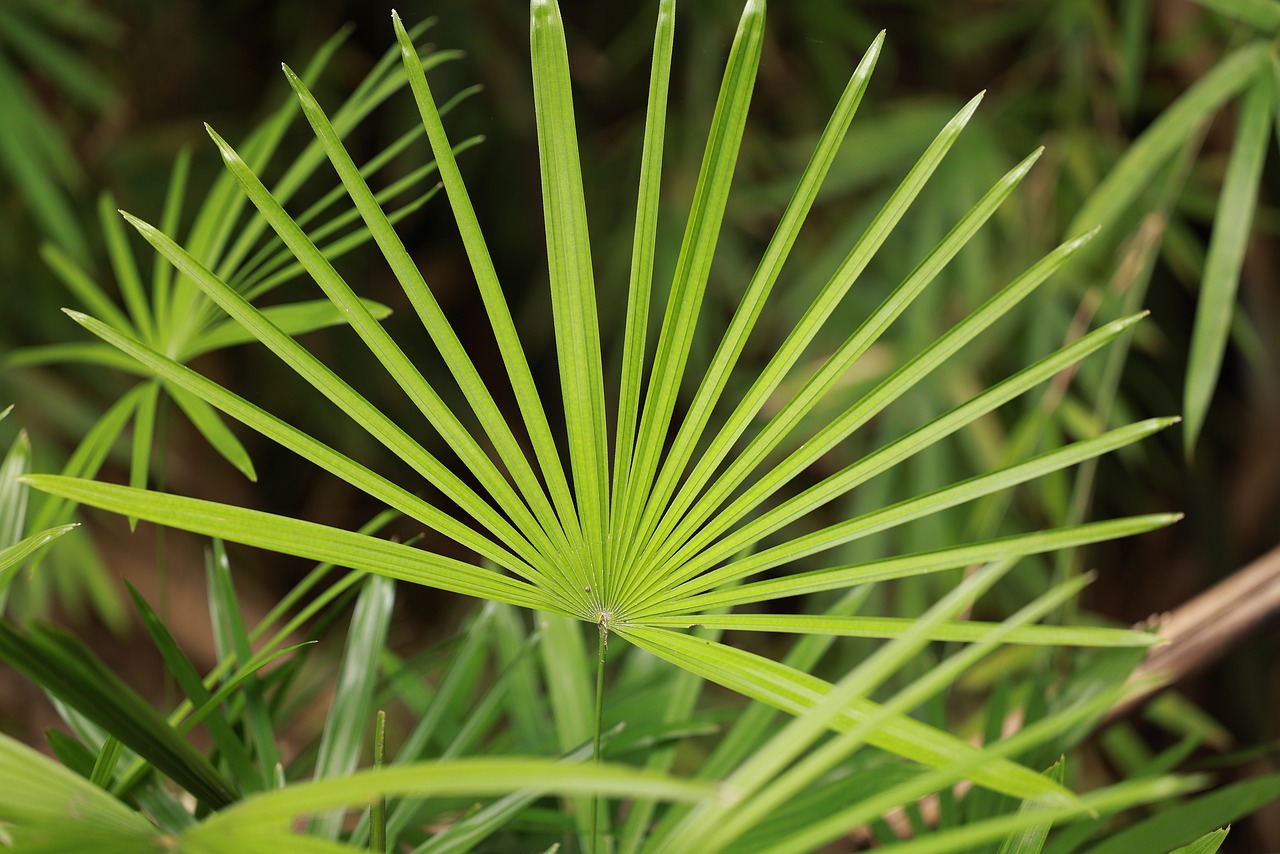
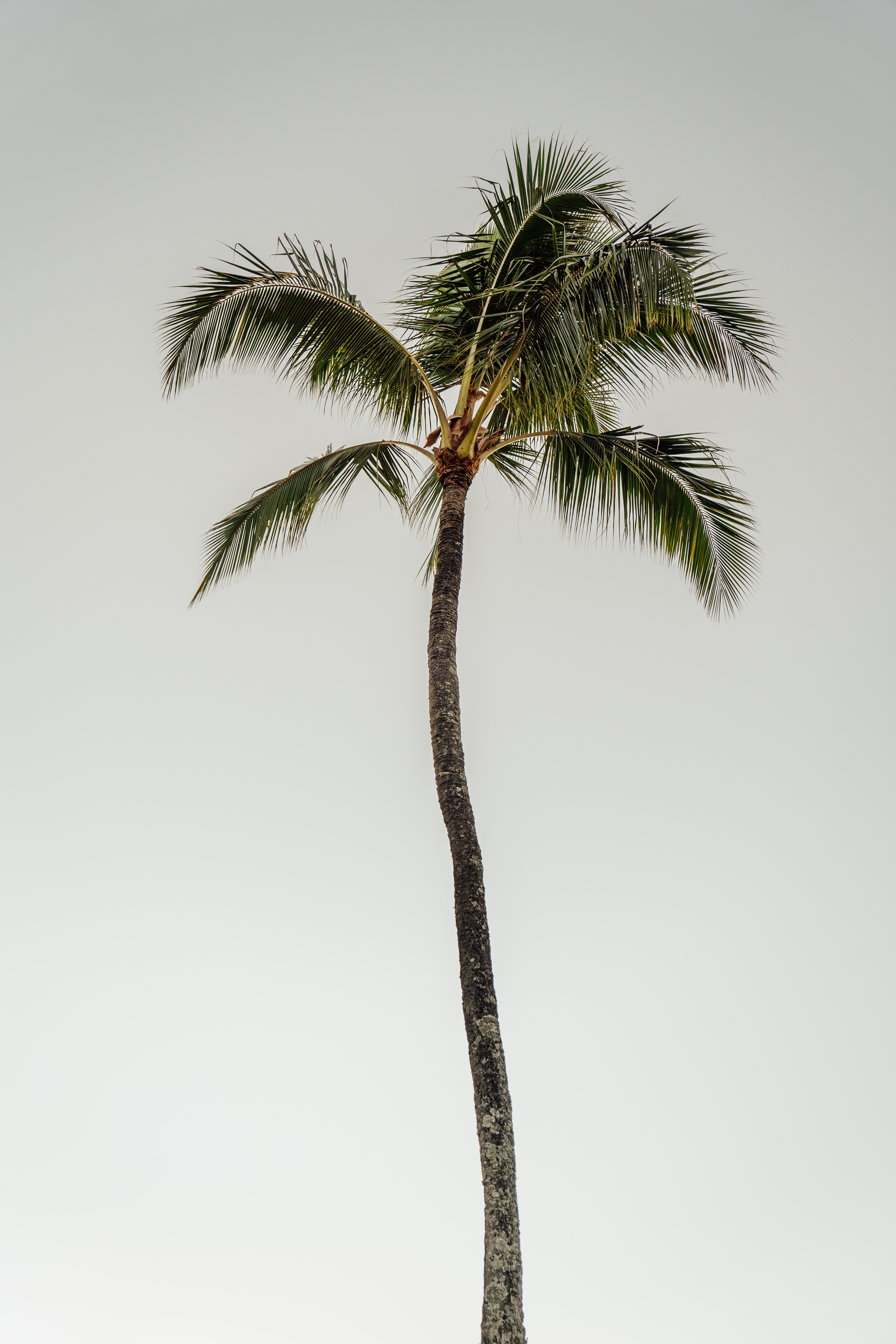
| 4 | SAW PALMATTO | Serenoa repens | Arecaceae | humid, subtropical to warm-temperate climate | CCC(CCC(C)C1CCC2C1(CCC3C2CC=C4C3(CCC(C4)O)C)C)C(C)C | 84604-15-9 | Human keratinocyte cells, C57BL/6 mice | phytosterols (βsitosterol), fattyacids,ßcarotene,and polysaccharides | _Reesha_Baig_Priyanka_Goswami_Mohammad_Wais_Gaurang_Sawant_Shifa.pdf | |
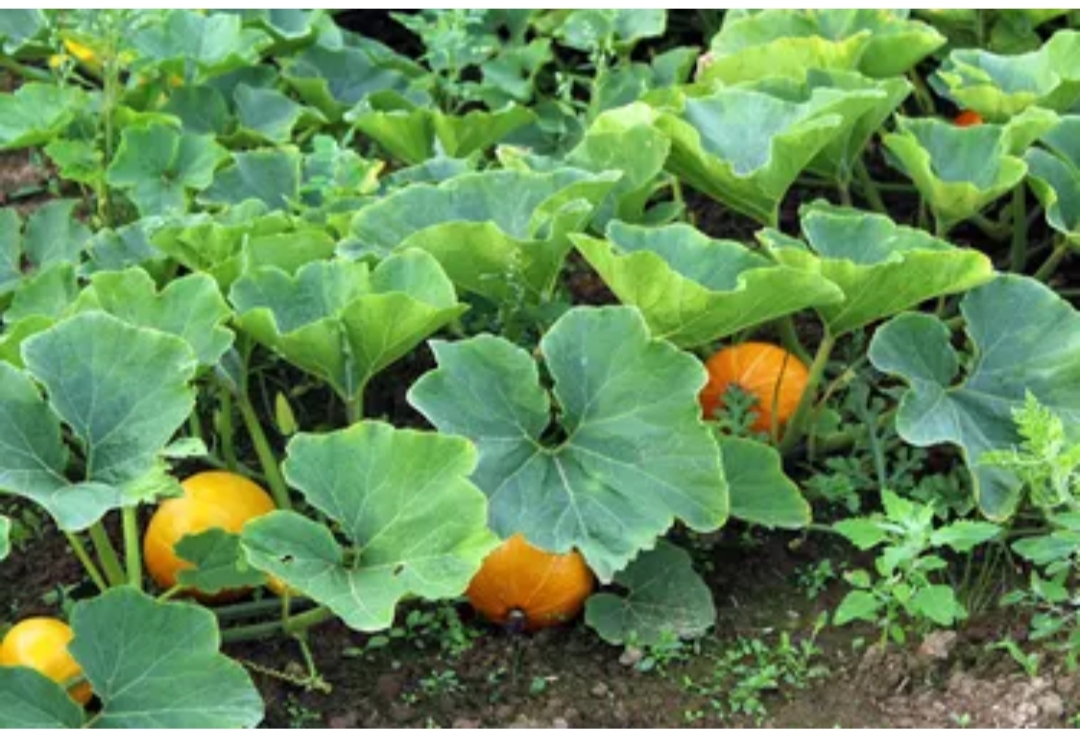
| 5 | PUMPKIN SEED OIL | Cucurbita pepo | Cucurbitaceae | warm,sunny climate. | CCC(CCC(C)C1CCC2C1(CCC3C2CCC4C3(CCC(C4)O)C)C)C(C)C.CCC(CCC(C)C1CCC2C1(CCC3C2=CCC4C3(CCC(C4C)O)C)C)C(C)C.CC(C)C(C)CCC(C)C1CCC2C1(CCC3C2CC=C4C3(CCC(C4)O)C)C | 8016-49-7 | Dermal papilla and keratinoCytes | unsaturated fats,sterols or phytoestrogens and tocopherols | _Reesha_Baig_Priyanka_Goswami_Mohammad_Wais_Gaurang_Sawant_Shifa.pdf | |
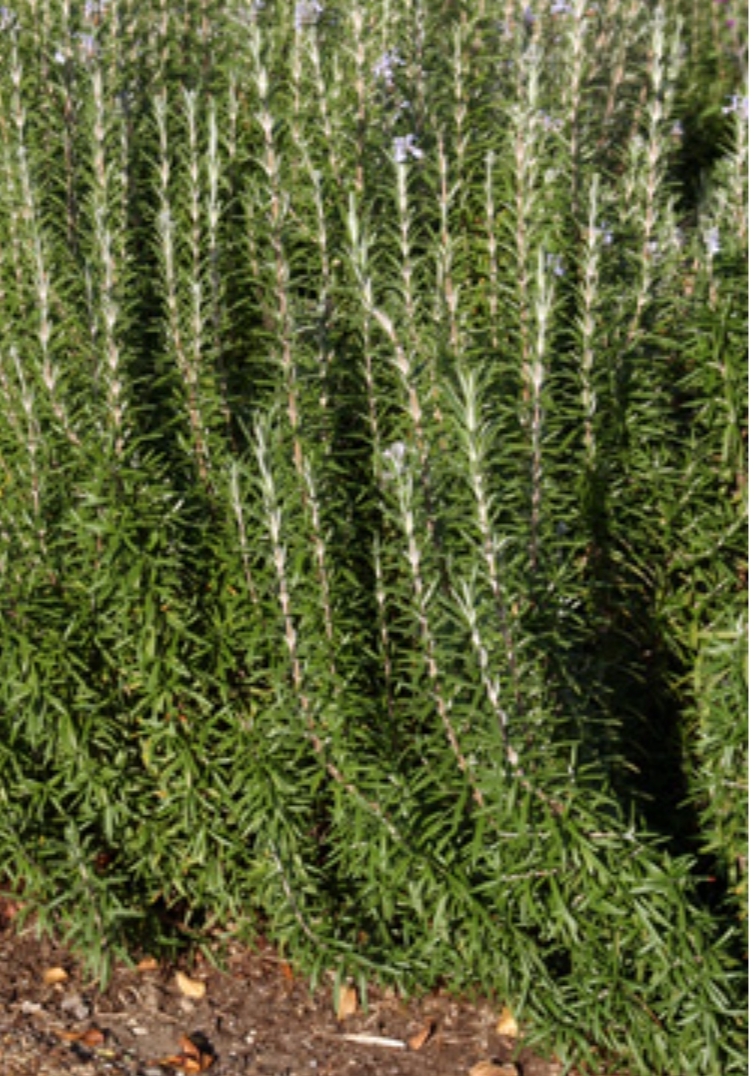
| 7 | ROSEMARY OIL | Rosemary oil | Lamiaceae | warm and moderately dry climate | CC(C)C1=C(C(=C2C(=C1)C3CC4C2(CCCC4(C)C)C(=O)O3)O)O | 8000-25-7 | Oleuropein | rosmarinic acid, caffeic acid, chlorogenic acid, carnosic acid,rosmanol, carnosol, ursolic acid, glycolic acid, and rosmaricine. | _Reesha_Baig_Priyanka_Goswami_Mohammad_Wais_Gaurang_Sawant_Shifa.pdf | |
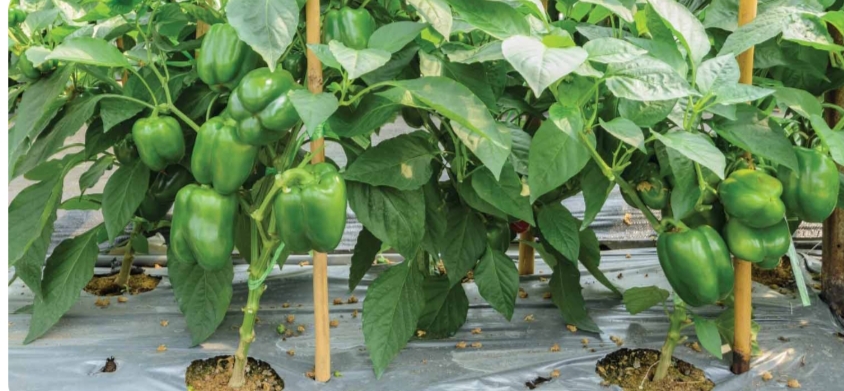
| 8 | CAPSICUM | CAPSICUM ANNUM | Solanaceae | moderately low temperatures and dry season | CC1=C(C(CCC1)(C)C)C=CC(=CC=CC(=CCO)C)C | 8023-77-6 | Human dermal papilla Cells | Carotenoids | |
|
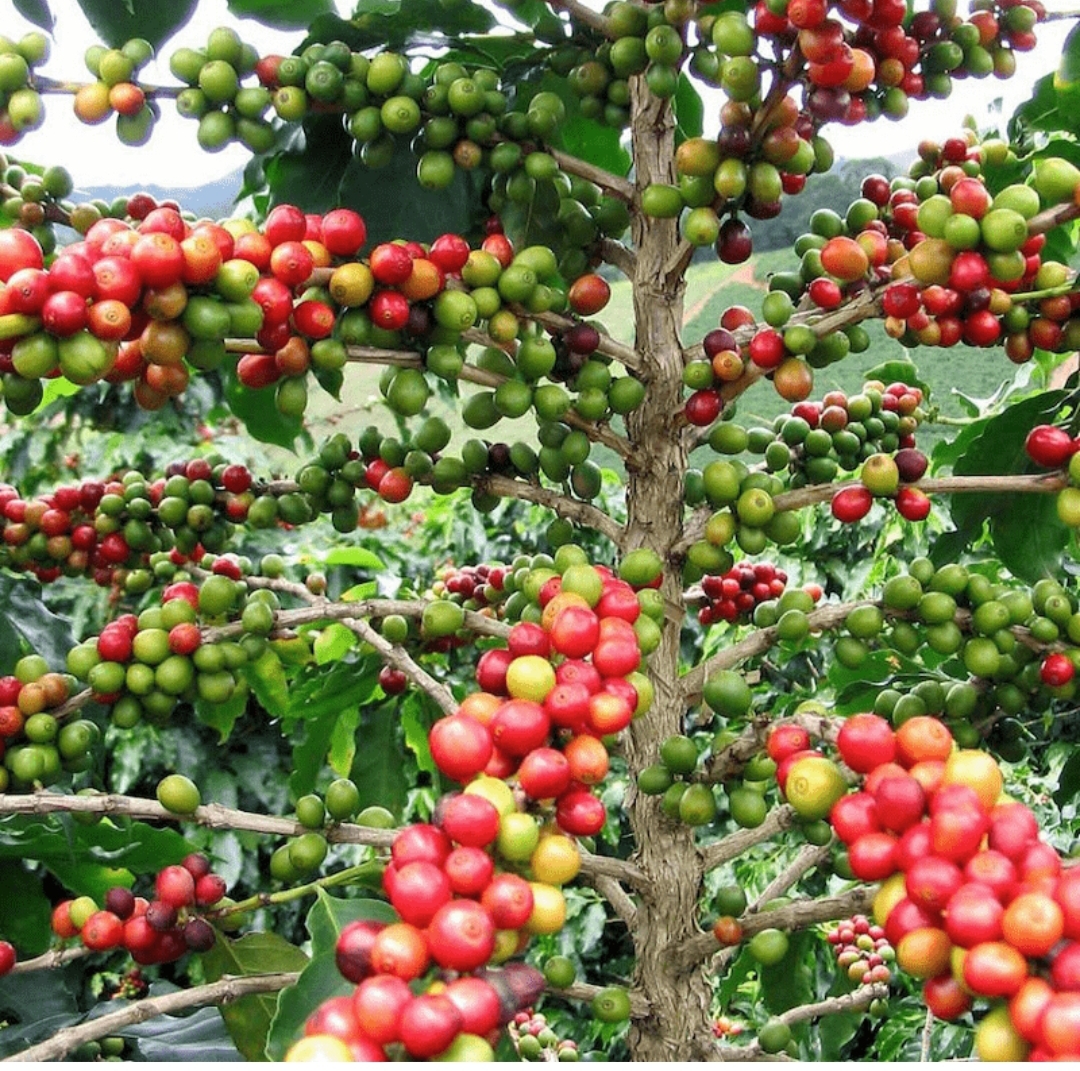
| 9 | COFFEE | CAMELLIA SINESIS | Rubiaceae | semi-tropical climate | [O-]P(=O)([O-])F.[Na+].[Na+] | 84650-00-0 | Culturedhair follicles Human hair-follicle-derived outer root sheath keratinocytes (ORSKs) | xanthine alkaloids | _Reesha_Baig_Priyanka_Goswami_Mohammad_Wais_Gaurang_Sawant_Shifa.pdf | |
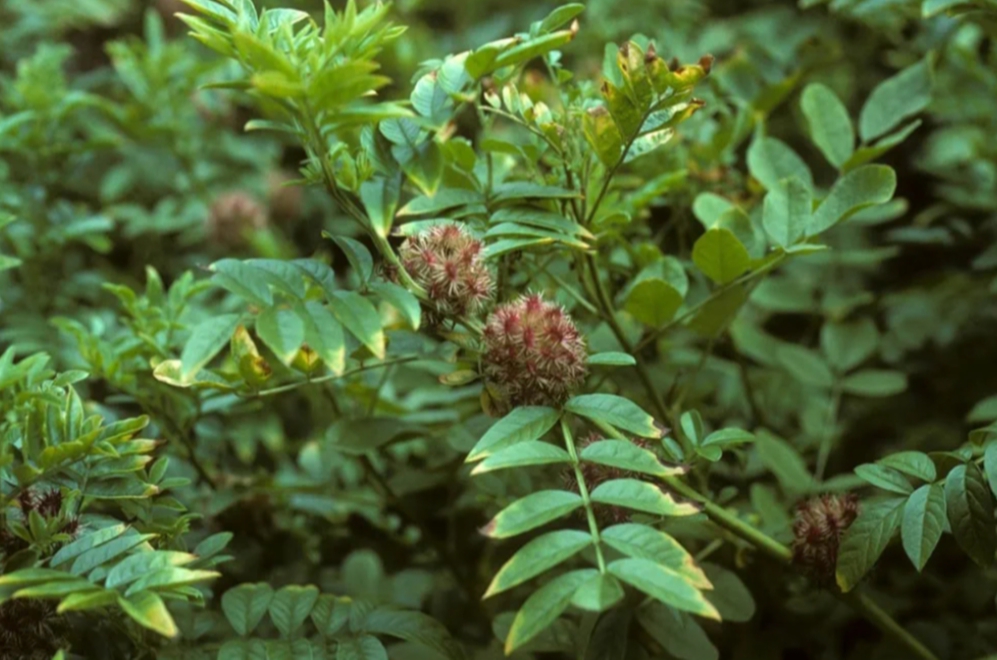
| 10 | LIQUORICE | GLYCYRRHIZA GLABRA | Fabaceae/ Leguminosae | dry cold temperature | 68916-91-6 | Dermal papilla cells | campesterol,glycyrrhizin,cholesterol, palmitic acid, linoleic acid, oleic acid, βsitosterol, stigmasterol, trigonellin, brassicasterol | _Reesha_Baig_Priyanka_Goswami_Mohammad_Wais_Gaurang_Sawant_Shifa.pdf | |
|
| 11 | COCONUT OIL | Cocos nucifera | Arecaceae (palm family) | hot climate. | CN1CCC23C4C1CC5=C2C(=C(C=C5C(=O)O)OC)OC3C(C=C4)O | 8001-31-8 | Human keratinocyte cells /sunflower oil | myristic acid,capric acid, lauric acid and monolaurin | |
|
| 12 | GARLIC GEL | Allium sativum | Amaryllidaceae | hot climate. | C=CC[S@](=O)C[C@@H](C(=O)O)N | 8008-99-9 | Randomized study | Alliinase,arginine,flavonoids,selenium | https://www.ncbi.nlm.nih.gov/pmc/articles/PMC9231528/ | |
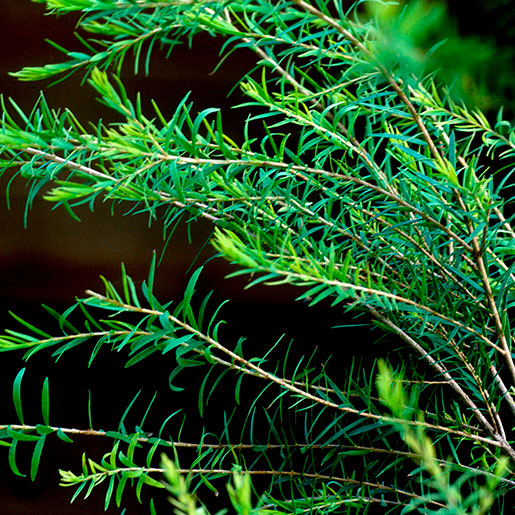
| 13 | TEA TREE OIL | Melaleuca alternifolia | Myrtaceae | tropical and subtropical climates | C1=CC=[N+](C(=C1)[S-])[O-].C1=CC=[N+](C(=C1)[S-])[O-].[Zn+2] | 68647-73-4 | Double blind randomized study | terpinen-4-ol,γ-terpinene,8-cineole, α-terpinene, α-terpineol,p-cymene and α-pinene | https://www.ncbi.nlm.nih.gov/pmc/articles/PMC7595365/table/?T1/report=objectonly | |
| 14 | SIBERIAN CRANE'S-BILL | Geranium sibiricum | Geraniaceae | average to moist conditions | NA | Human dermal papilla Cells | Corilagin, gallic acid | https://www.ncbi.nlm.nih.gov/pmc/articles/PMC7595365/table/T1/?report=objectonly,https://www.ncbi.nlm.nih.gov/pmc/articles/PMC8706577/#B18-pharmaceutics-13-02163 | |
|
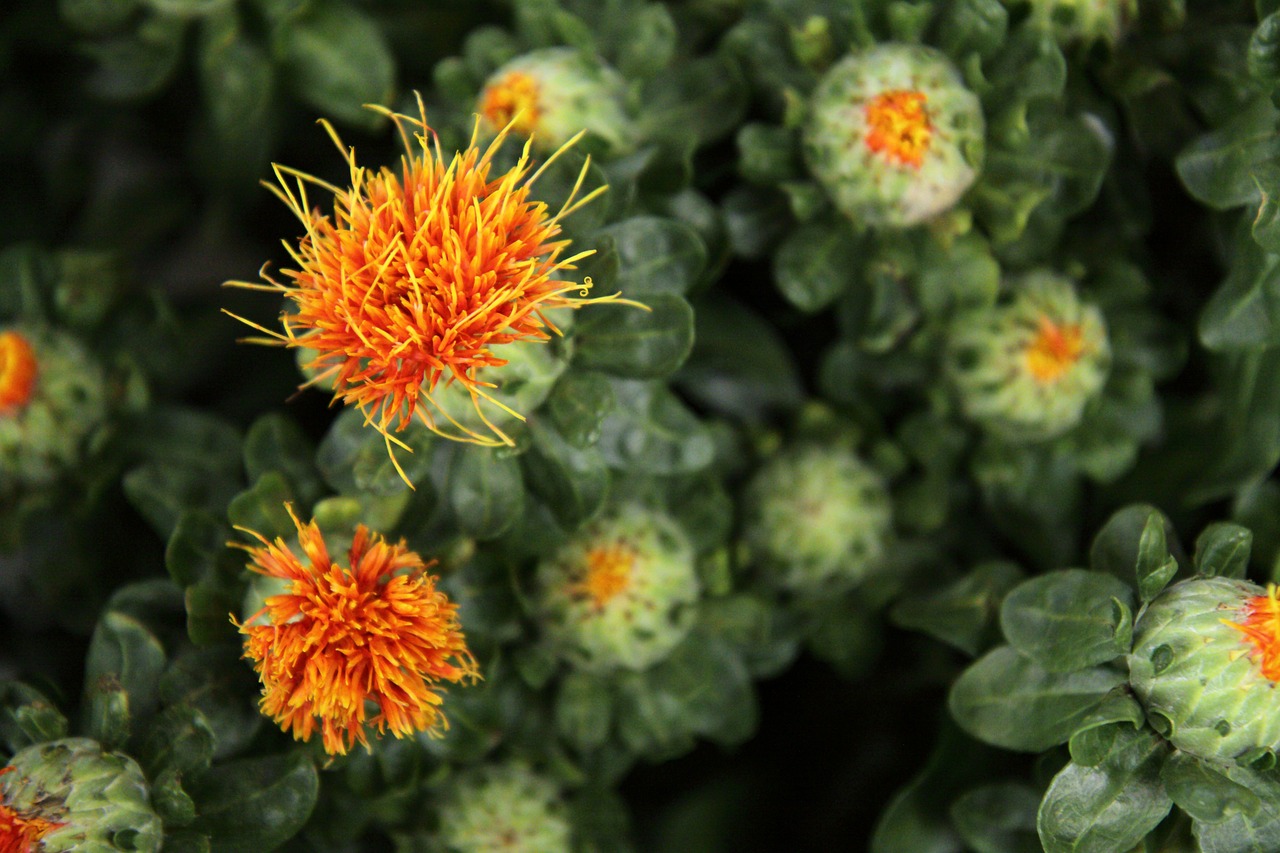
| 15 | SAFFLOWER | Carthamus tinctorius | Asteraceae | highmoist climate | 8001-23-8 | Dermal papilla and keratinoCytes | Hydroxysafflor yellow A | https://www.ncbi.nlm.nih.gov/pmc/articles/PMC8706577/#B18-pharmaceutics-13-02163 | |
|
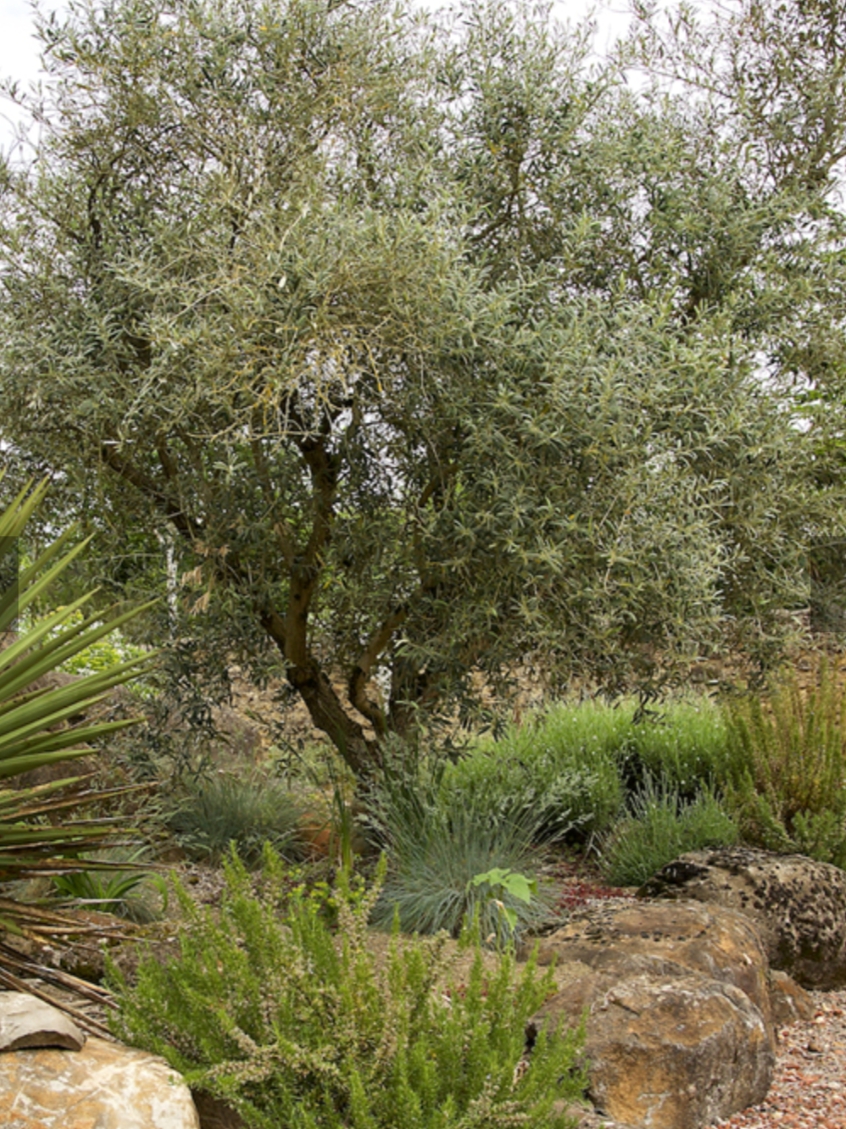
| 16 | OLIVE | Olea europaea | Oleaceae | Mediterranean-like climate | C1=CC=C(C=C1)C(=O)NC2=C3C(=C4C(=C2)C5=CC(=C6C(=C5N4)C(=O)C7=CC=CC=C7C6=O)NC(=O)C8=CC=CC=C8)C(=O)C9=CC=CC=C9C3=O | 8001-25-0 | Oleuropein promoted cultured human follicle dermal papilla cell proliferation and induced LEF1 and Cyc-D1 mRNA expression and β-catenin protein expression in dermal papilla cells | Oleuropein | https://pubmed.ncbi.nlm.nih.gov/26060936/ | |
| 17 | SOFT SOPHORA | Sophora flavescens Aiton | Fabaceae | moderately low temperatures and dry season | C1[C@@H]2[C@H](C3=C(O1)C=C(C=C3)O)OC4=CC5=C(C=C24)OCO5 | 16837-52-8 | Human dermal papilla Cells | L-maackiain medicarpin | https://www.jdsjournal.com/article/S0923-1811(02)00060-9/fulltext | |
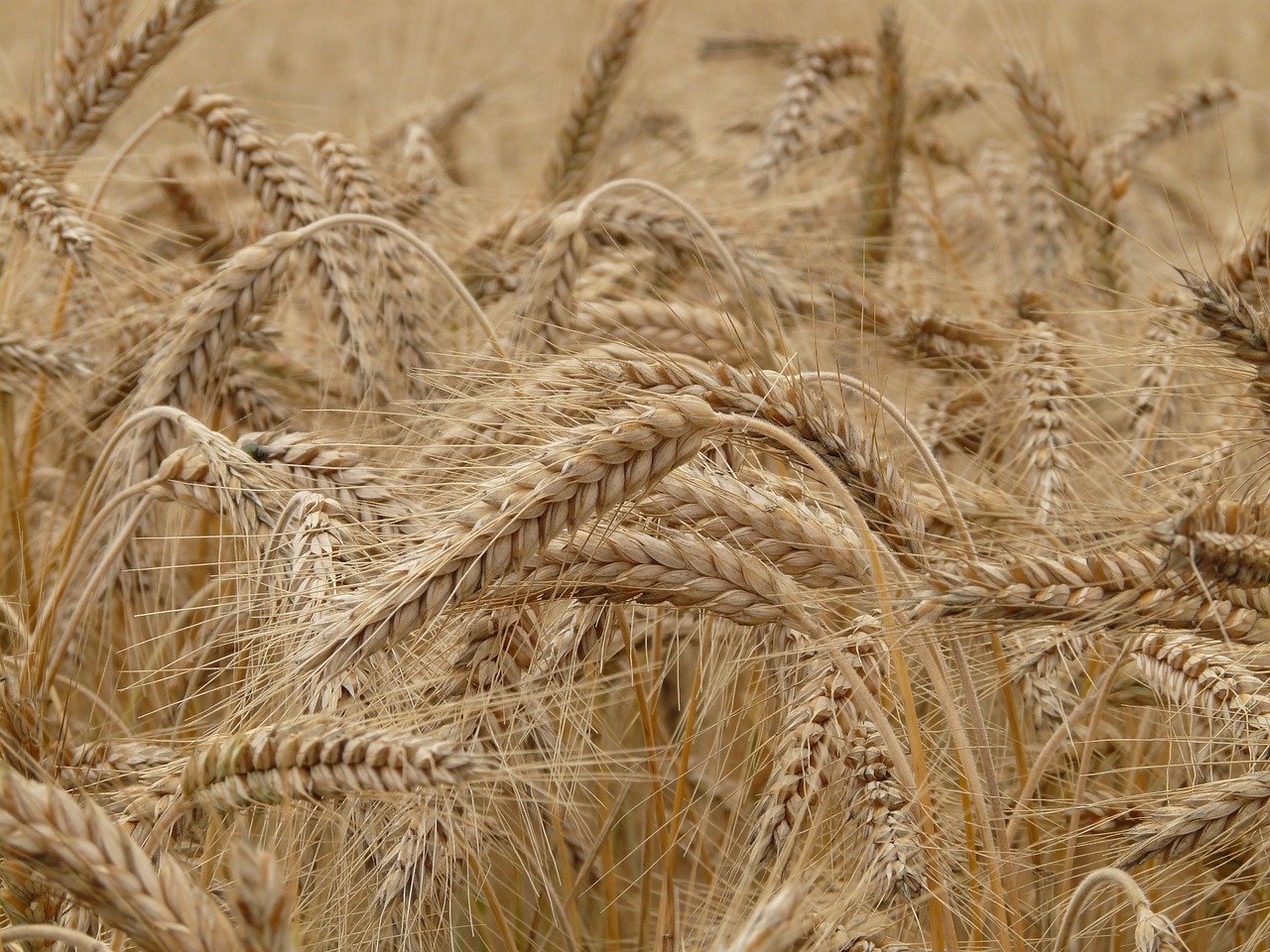
| 18 | BARLEY | Hordeum vulgare | Poaceae | subtropical climatic condition | C/C=C(C)/C(=O)OC1CCC2(C3C1(OC24CC5(C6CN7CC(CCC7C(C6(C(CC5(C4CC3)O)O)O)(C)O)C)O)O)C | 85251-64-5 | C57BL/6 mice | Procyanidin B-3 | https://www.jdsjournal.com/article/S0923-1811(02)00060-9/fulltext | |
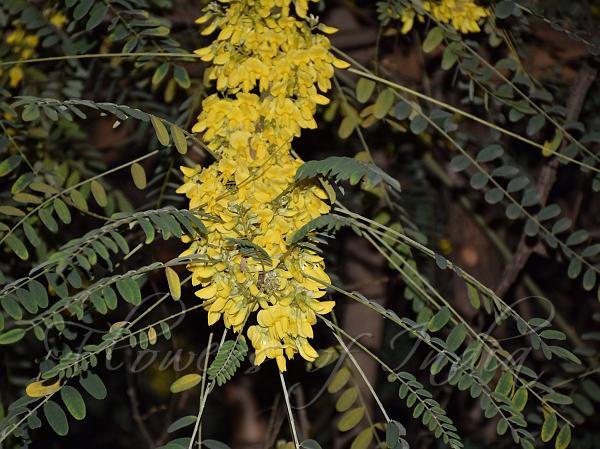
| 19 | SHIKAKAI | Acacia concinna | Mimosaceae | Hot dry climates of Central Asia and the Far East | CCC(C=CC(C)C1CCC2C1(CCC3C2=CCC4C3(CCC(C4)O)C)C)C(C)C | 202148-87-6 | Human dermal papilla Cells | Lupeol spinasterol acacic acid lactone and the natural sugars glucose arabinose and rhamnose. It also contains hexacosanol spinasterone oxalic acid tartaric acid citric acid succinic acid ascorbic acid and the alkaloids calyctomine and nicotine | https://www.journalijar.com/uploads/256_IJAR-2736.pdf | |
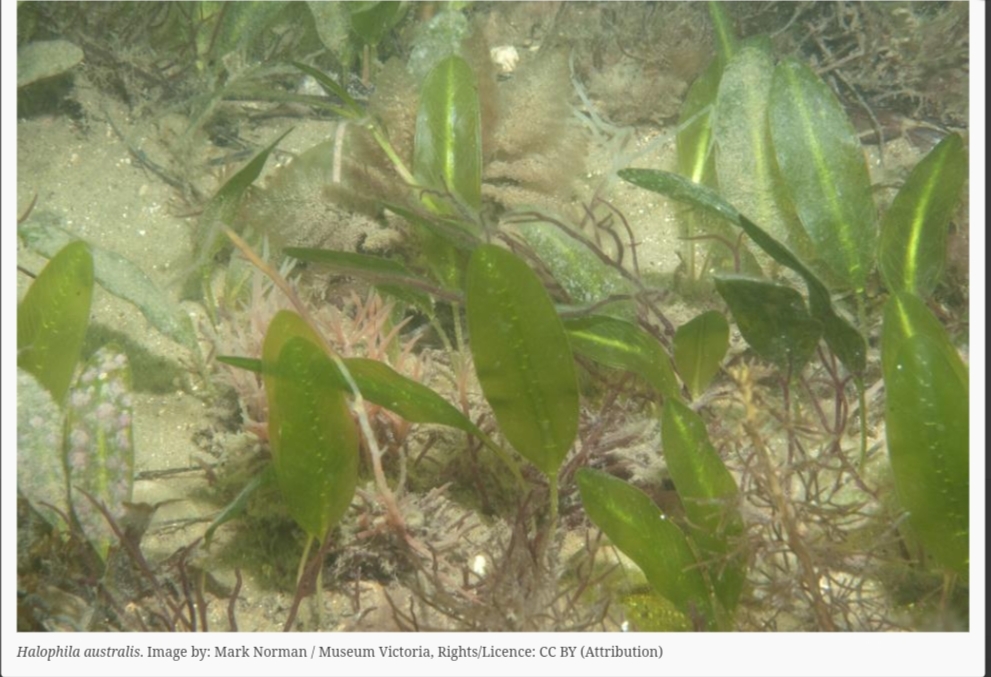
| 20 | PADDLE WEED | Ecklonia cava | Hydrocharitaceae | Halophytes | CC=C(C)C(=O)OC1C(C2(C(CC1(C)C)C3=CCC4C5(CCC(C(C5CCC4(C3(CC2O)C)C)(C)CO)OC6C(C(C(C(O6)C(=O)O)OC7C(C(C(C(O7)CO)O)O)O)O)OC8C(C(C(C(O8)CO)O)O)O)C)CO)OC(=O)C | NA | Cultured rat vibrissa folliclesSprague-Dawley rats C57BL/6 miceRat vibrissa immortalized dermal papilla cell NIH3T3 cells | Phlorotannins, such as fucodiphlorethol G, 7-phloro eckol, 6,6-bieckol, eckol, 8,8-bieckol, 8,4-dieckol and phlorofucofuroeckol A, DPC proliferation and/or 5α-reductase activity inhibition in rat vibrissa | Shin H Cho AR Kim DY Munkhbayer S Choi SJ Jang S Kim SH Shin HC Kwon O | |
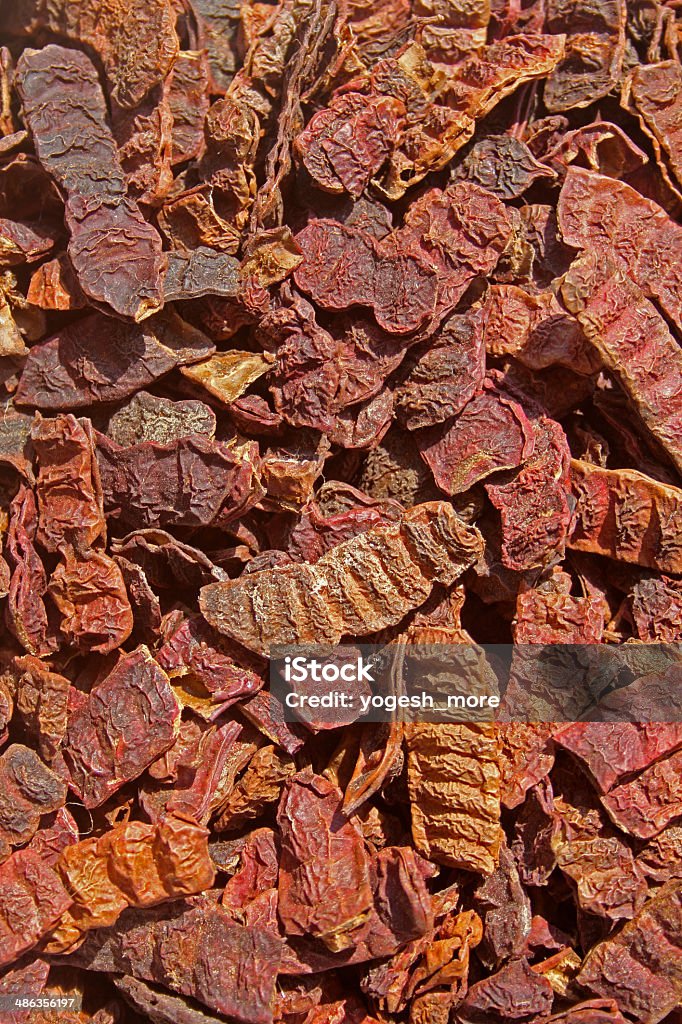
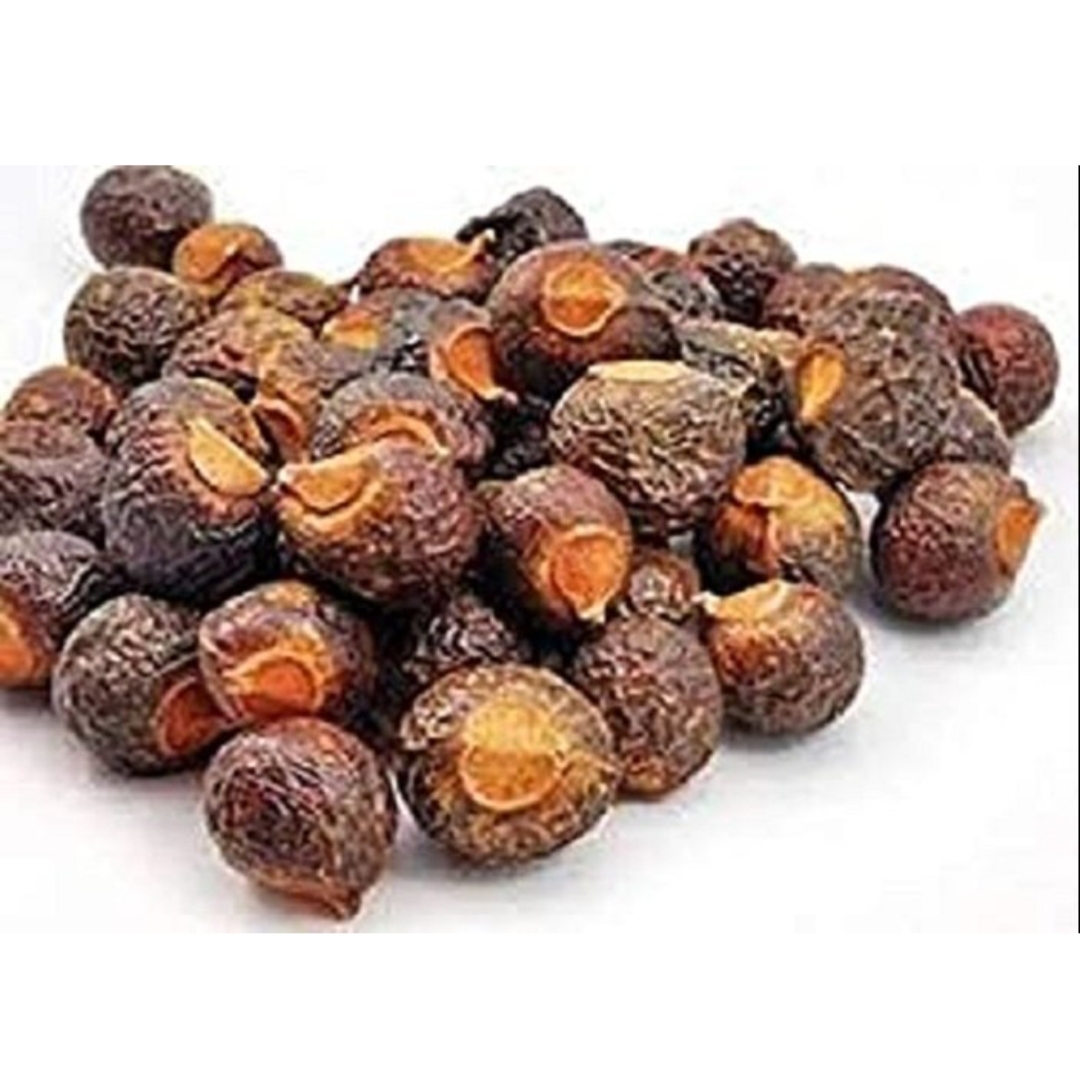
| 21 | REETHA | Sapindus mukorossi | Sapindaceae | warm cold climate | CC=C(C)C(=O)OC1C(C2(C(CC1(C)C)C3=CCC4C5(CCC(C(C5CCC4(C3(CC2O)C)C)(C)CO)OC6C(C(C(C(O6)C(=O)O)OC7C(C(C(C(O7)CO)O)O)O)O)OC8C(C(C(C(O8)CO)O)O)O)C)CO)OC(=O)C | 223748-41-2 | Human dermal papilla Cells | saponins sugars and mucilage | https://www.researchgate.net/publication/267698560_Sapindus_mukorossi_areetha_An_overview | |
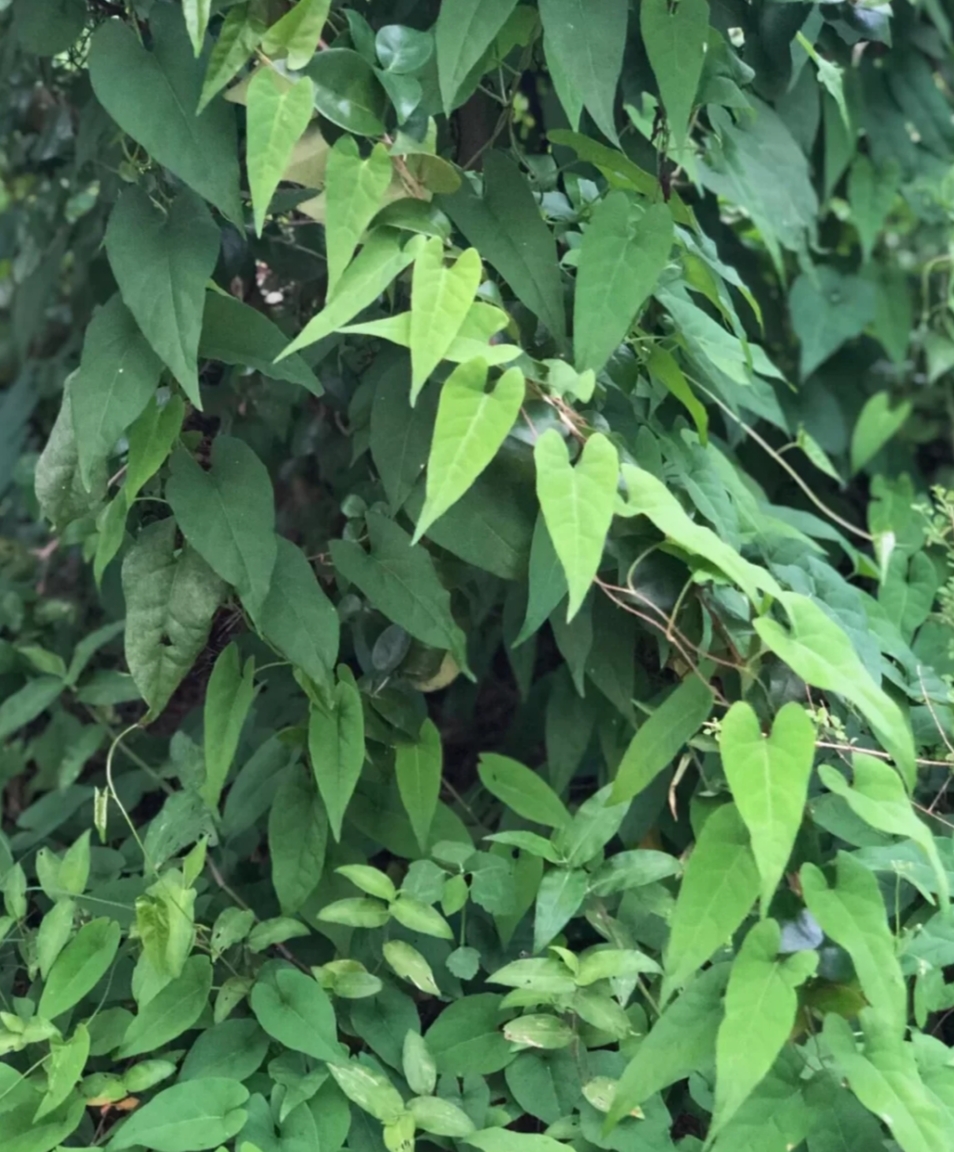
| 22 | TUBER FLEECEFLOWER | Polygonum multiflorum | Polygonaceae | Cold Climate | C1=CC=C2C(=C1)C(=O)C3=CC=CC=C3C2=O | Human dermal papilla Cells,C57BL/6J mice were used | Athraquinones including chrysophanol emodin and rhein | Shin JY Choi YH Kim J Park SY Nam YJ Lee SY Jeon JH Jin MH Lee S. Polygonum multiflorum extract support hair growth by elongating anagen phase and abrogating the effect of androgen in cultured human dermal papilla cells, BMC Complement Med Ther. 2020 May 12;20(1):144. doi: 10.1186/s12906-020-02940-5. PMID: 32398000; PMCID: PMC7218528 | |
|
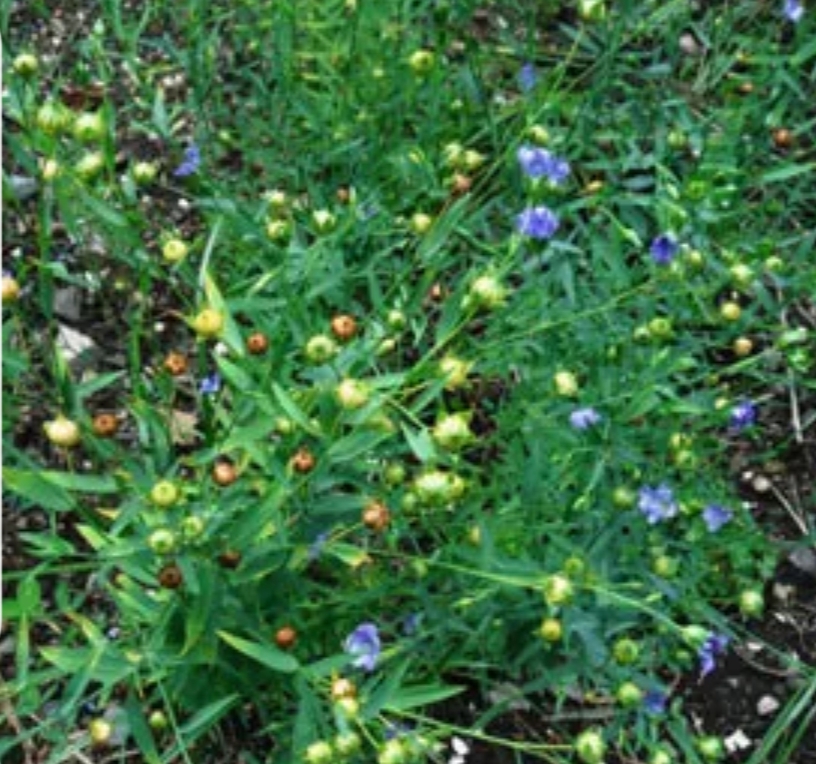
| 23 | FLAXSEED OIL | Linum usitatissimum | Linaceae | cool humid climate | C1=C(C(=CC(=C1Cl)Cl)Cl)O | 8001-26-1 | prostatic epithelial proliferation in a rat model of benign prostatic hyperplasia | phytochemicals like phenols flavonoids and lignins | https://ugro.com/a-research-perspective-on-flaxseed-oil-for-hair-loss/amp/ | |
| 24 | CURRY TREE | Murraya koenigii | Rutaceae | Humid subtropical climate | C1=CC=C2C(=C1)C3=CC=CC=C3N2 | 8006-78-8 | activity of berry extracts of M. koenigii by DPPH free radical scavenging activity and reducing power assays | Different carbazole alkaloids and other important metabolites like terpenoids flavonoids phenolics carbohydrates carotenoids vitamins and nicotinic acid from different parts of the M. koenigii plant.Mahanine Mahanimbine | Balakrishnan R Vijayraja D Jo SH Ganesan P Su-Kim I Choi DK. Medicinal Profile Phytochemistry and Pharmacological Activities of Murraya koenigii and its Primary Bioactive Compounds. Antioxidants (Basel). 2020 Jan 24;9(2):101. doi: 10.3390/antiox9020101. PMID: 31991665; PMCID: PMC7070712 | |
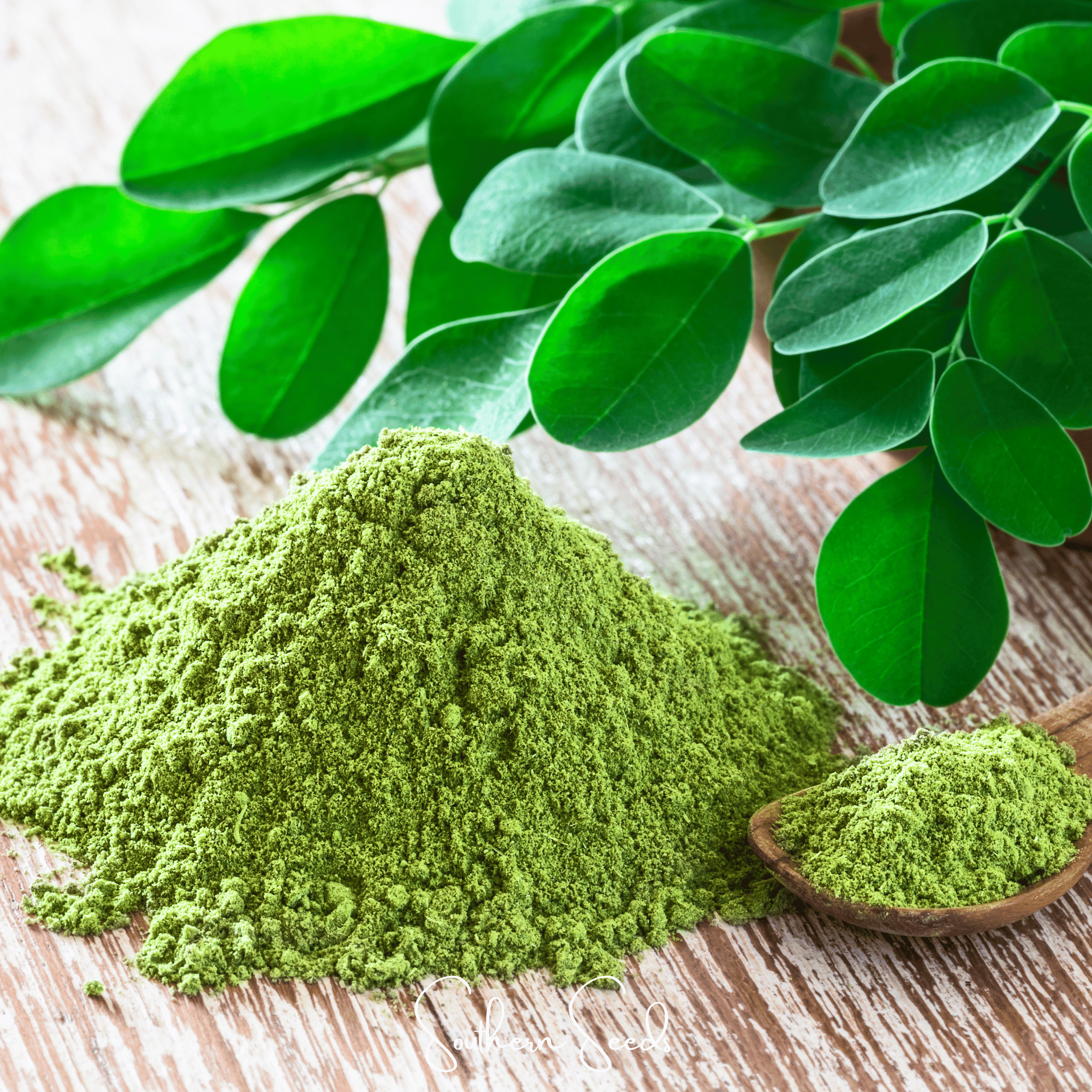
| 25 | HORSERADISH OR DRUMSTICK TREE | Moringa oleifera | Moringaceae | Tropics and subtropics | CCO | 93165-54-9 | clinical study of 15 patients with urinary tract infection Maurya and Singh observed that 66.67% of patients were completely cured of their symptoms after a three-week treatment with M. oleifera bark extract while 13.33% reported moderate relief from their symptoms 13.33% of patients had no symptom change and 6.67% relapsed in the trial group | phytochemicals such as flavonoids or isothiocyanates | Kou X Li B Olayanju JB Drake JM Chen N. Nutraceutical or Pharmacological Potential of Moringa oleifera Lam. Nutrients. 2018 Mar 12;10(3):343. doi: 10.3390/nu10030343. PMID: 29534518; PMCID: PMC5872761 | |